I have seen first-hand how easy it is for chimney issues to go unnoticed until they become serious. I have repaired everything from minor brickwork cracks to entire chimney stacks that were on the verge of collapse. One of the most valuable things I have learnt is how early detection can save Sutton homeowners a significant amount of stress, money and potential danger.
In this post, I am going to walk you through the most common early signs of chimney damage that I have encountered in Sutton homes. Whether you live in a Victorian terrace in Cheam or a modern semi in Carshalton, these tips will help you stay ahead of any problems and know when to call in a professional.
If at any point you feel unsure about the state of your chimney, I strongly recommend reaching out to a professional. You can visit our Sutton chimney repair page for more information or to book an inspection.
Why Chimney Damage Is a Real Concern in Sutton
Sutton has a wide variety of property types, many of which are decades or even centuries old. The chimneys on these buildings have been exposed to the elements year after year, which naturally takes its toll. In particular, I have noticed that older chimneys often suffer from poor mortar, weather erosion and structural shifting due to subsidence.
Add to that the unpredictability of UK weather and the occasional storm, and it is no surprise that chimney damage in Sutton is a common issue we deal with throughout the year.
Early Signs of Chimney Damage You Should Never Ignore
1. Cracks in the Chimney Brickwork
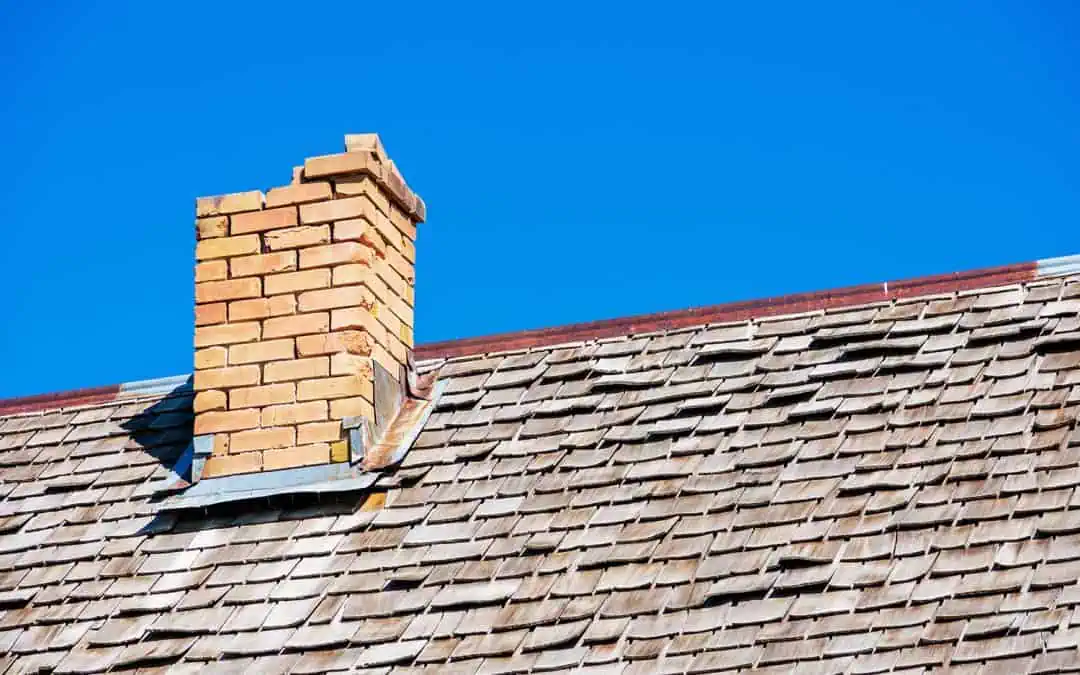
One of the most obvious signs of chimney damage is cracked or deteriorating brickwork. This often starts small, but if ignored, it can lead to major structural issues. I often see vertical or stair-step cracks, which are a clear indicator that the chimney is shifting or that the mortar is breaking down.
If you can see these cracks from ground level, chances are they are worse further up. Never ignore this. Cracks allow moisture to enter the chimney, which expands in winter and makes the damage much worse.
2. Spalling Bricks
Spalling is when the surface of the bricks begins to flake off, usually due to water infiltration and freezing temperatures. In Sutton, I see this most often on chimneys that have not been sealed or maintained properly.
When bricks start to spall, it weakens the entire structure. If left untreated, sections of the chimney can crumble and fall away, sometimes quite dramatically.
3. Deteriorated or Missing Mortar
Mortar is what holds the chimney bricks together, and over time, it can erode due to weathering. When I inspect chimneys in Sutton, I often use a simple tool to scrape at the mortar – if it crumbles easily, it is time for repointing.
Repointing is a straightforward job if caught early, but if left too long, entire sections of the chimney may need to be rebuilt. Missing mortar also allows rain to seep into the structure, accelerating decay.
4. Leaning or Tilting Chimney Stack
One of the more serious signs of chimney damage is a leaning chimney stack. This could be due to a compromised foundation, deterioration of support structures, or general wear over time. In Sutton, I have seen leaning chimneys resulting from years of subsidence that were never properly addressed.
A leaning chimney is a structural hazard and needs immediate attention from a qualified chimney repair professional.
5. Water Stains Inside the House
If you notice water stains or damp patches on the walls or ceiling near your fireplace, it is often a sign that the chimney is leaking. In many Sutton homes, I have traced water ingress to defective flashing or cracked flaunching at the top of the stack.
Water entering your home this way can cause internal mould, structural damage, and decay of timber roof supports.
6. Rust on Fireplace Components
Rust is a clear indicator that moisture is present where it should not be. If you see rust on your damper or firebox, there is a good chance your chimney cap or crown is failing and allowing water inside.
Rust can prevent your damper from sealing properly, which leads to draughts, smoke issues and even increased energy bills.
7. Dislodged or Missing Chimney Pots
I frequently come across Sutton chimneys with loose or missing chimney pots. These are not only essential for ventilation but also help protect the flue from rain and nesting birds.
A missing chimney pot leaves your chimney vulnerable to internal damage, while a loose one can fall and cause injury or damage to your roof.
8. Debris Falling into the Fireplace
If bits of brick, mortar, or flue liner start falling into your fireplace, that is a strong warning sign of internal chimney damage. I often find this in homes that have not had their chimneys swept or inspected in years.
This sort of deterioration is dangerous, especially if the flue is compromised and gases are not being vented safely.
9. Smoke Entering the Room
A properly functioning chimney should carry smoke straight up and out. If you notice smoke spilling into your room, it could be due to a blockage, damaged liner, or even structural collapse inside the flue.
Not only is this unpleasant, it is also a serious health risk due to carbon monoxide exposure.
10. Unusual Smells
Musty or smoky odours coming from your fireplace can indicate excess moisture or blocked ventilation. In Sutton, I have found these smells often stem from rainwater sitting in the chimney or animals nesting inside.
The sooner this is looked at, the easier it is to resolve without long term damage.
What Causes Chimney Damage in Sutton?
While the exact causes of chimney damage can vary from one property to the next, here are the most common culprits I have come across during my years of service in Sutton:
- Weather exposure (wind, rain, frost)
- Poor quality or aged construction materials
- Lack of regular maintenance or inspections
- Subsidence and structural movement
- Invasive plant growth (like ivy)
- Blocked or damaged chimney caps and cowls
Most of these issues can be spotted early with an annual inspection and easily managed with timely repairs.
When to Call a Chimney Repair Expert
If you spot any of the signs mentioned above, it is best not to delay. A small issue can escalate quickly, especially during the winter months when your chimney is most in use.
I always tell my Sutton clients that prevention is cheaper than cure. A routine inspection and minor repair might cost a few hundred pounds, but waiting until your chimney needs partial rebuilding could run into the thousands.
At The Chimney Experts, we offer professional inspections, detailed reports and expert repairs tailored to the specific needs of Sutton properties. You can learn more or book a service through our chimney repairs Sutton page.
What to Expect from a Chimney Inspection
When I carry out a chimney inspection in Sutton, I follow a thorough checklist that includes:
- Visual inspection of brickwork, mortar, and flashing
- Examination of the chimney crown and flaunching
- Inspection of chimney pots and cowls
- Check for signs of damp, rust or internal staining
- Assessment of chimney alignment and structural stability
- Internal inspection of the flue where possible
Following this, I provide a written report with photos and recommendations so you can make an informed decision.
Chimney damage is more than just a cosmetic issue – it can affect the safety, warmth and structural integrity of your home. Over the years, I have helped countless homeowners across Sutton identify and fix chimney issues before they became costly or dangerous.
By knowing what to look out for and acting early, you can protect your property and keep your family safe. If you are unsure about the condition of your chimney, do not wait for the next storm or winter freeze to find out the hard way.
Get in touch with us today, or visit our chimney damage Sutton service page to learn how we can help.